
Thanksgiving appeal 2026
For two weeks, the sky stayed quiet.
In July, 48 children from Ukraine's frontline Kherson and Kharkiv regions spent two weeks at our camp in the Carpathian mountains — without a single air raid alert. Now they are home again. This Thanksgiving, help the care go home with them.
Our Thanksgiving goal: $34,000 to start a year of psychological care for 15 children from camp.
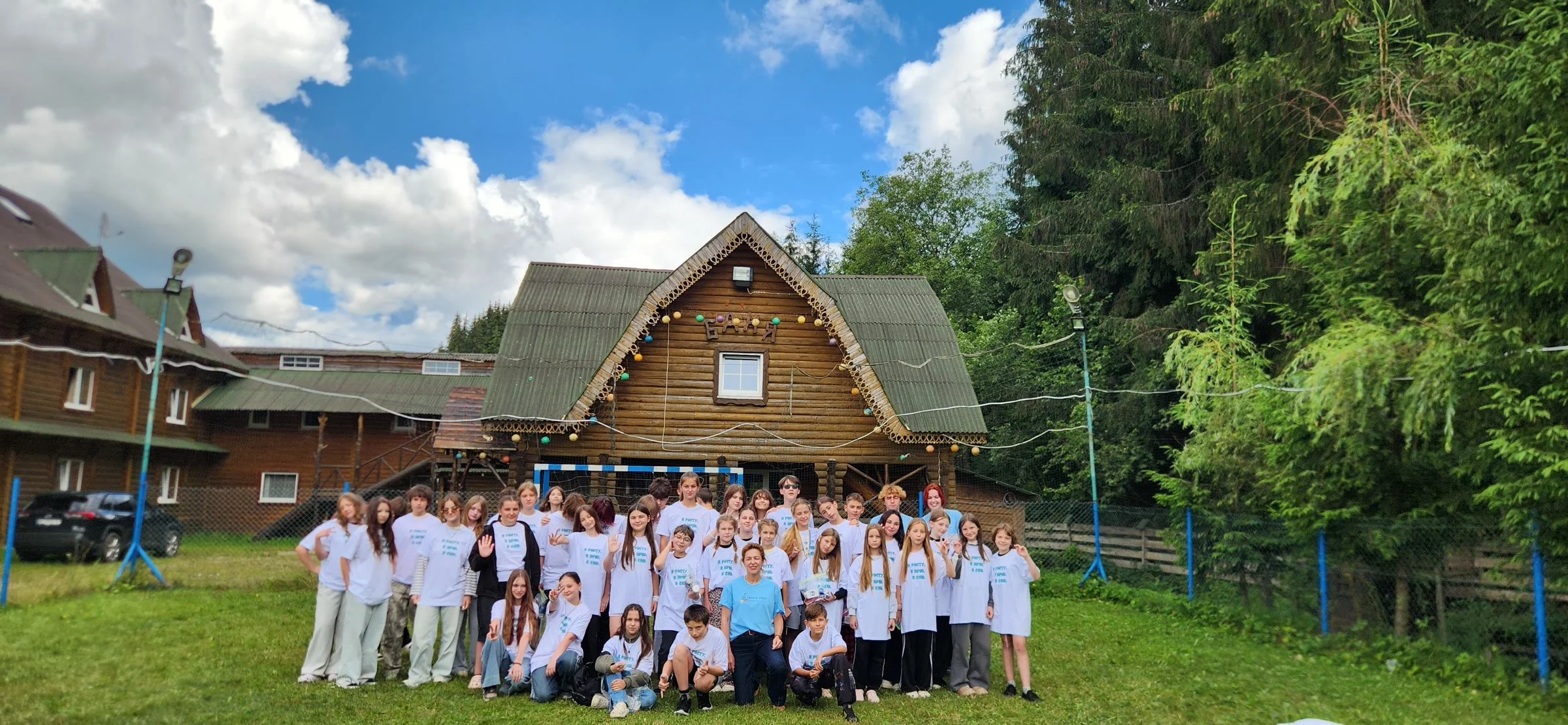
This Thanksgiving, the first thank-you notes are theirs
On the last day of camp, we asked the children what they were taking home. Several of their answers ended with a thank-you, to everyone who made the camp possible. That includes you.
This camp gave me the chance — at least for a little while — to rest from the air-raid sirens, the explosions, and the war, to feel calm and safe, and to simply enjoy being a child again. I am sincerely grateful to everyone who organized it.
Artem, camp participant, Level Up 2026
"Thank you to everyone who organized this camp, and to our counselors."
Irina, camp participant
"I loved this camp so much — thank you!"
Anna, camp participant
What happens in two weeks
"Level Up: Your Space to Grow" is a trauma-informed camp: daily group work with a psychologist and trainers, art therapy, hikes in the mountains, and young volunteers who are psychology students. Most of the children live with the war every day. Here is how the fourteen days went, in the words of the people who were there.
Quiet, shy and a little frightened
Volunteers met the children at the station and walked them to the park for their first photo together. Most of the children had never met each other.
"What quiet, shy, perhaps even slightly frightened youngsters they were."
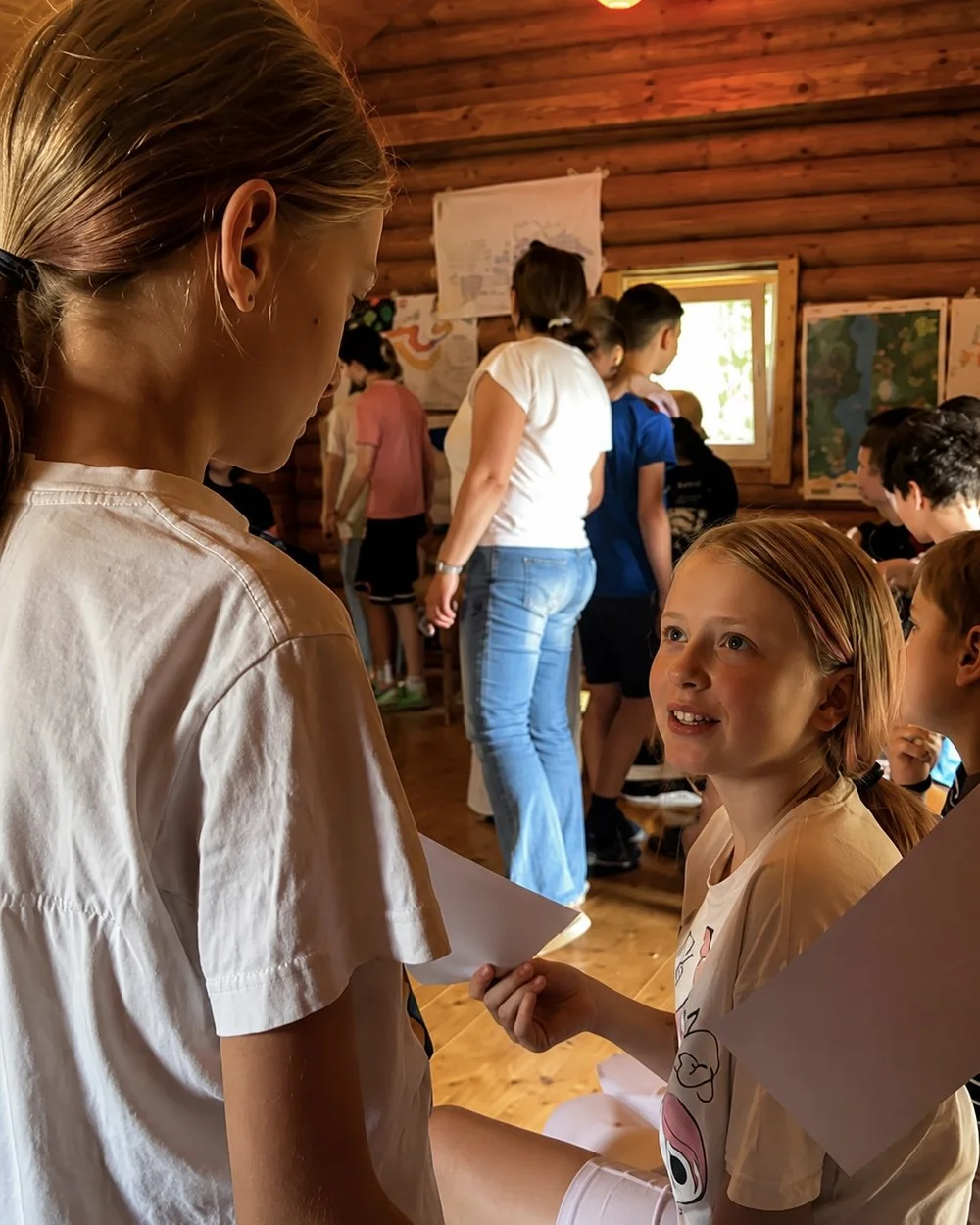
The children began to talk
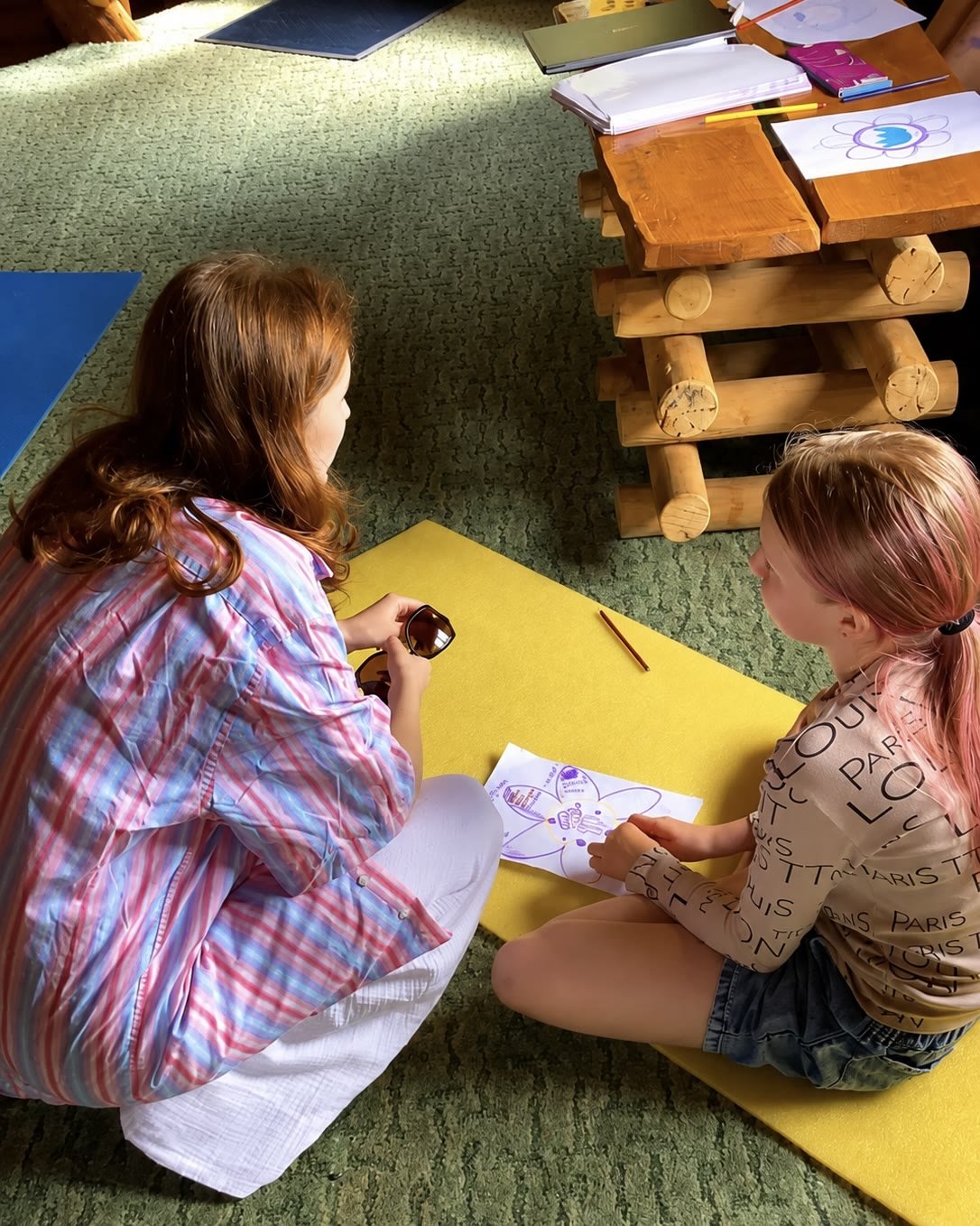
Each day brought trainings and group sessions, including art therapy with our psychologist. The children practised naming their feelings and calming themselves down, and the volunteers sat with them and listened.
"At the start of the session, most children were emotionally closed off. By the end of the first week, children began to open up."
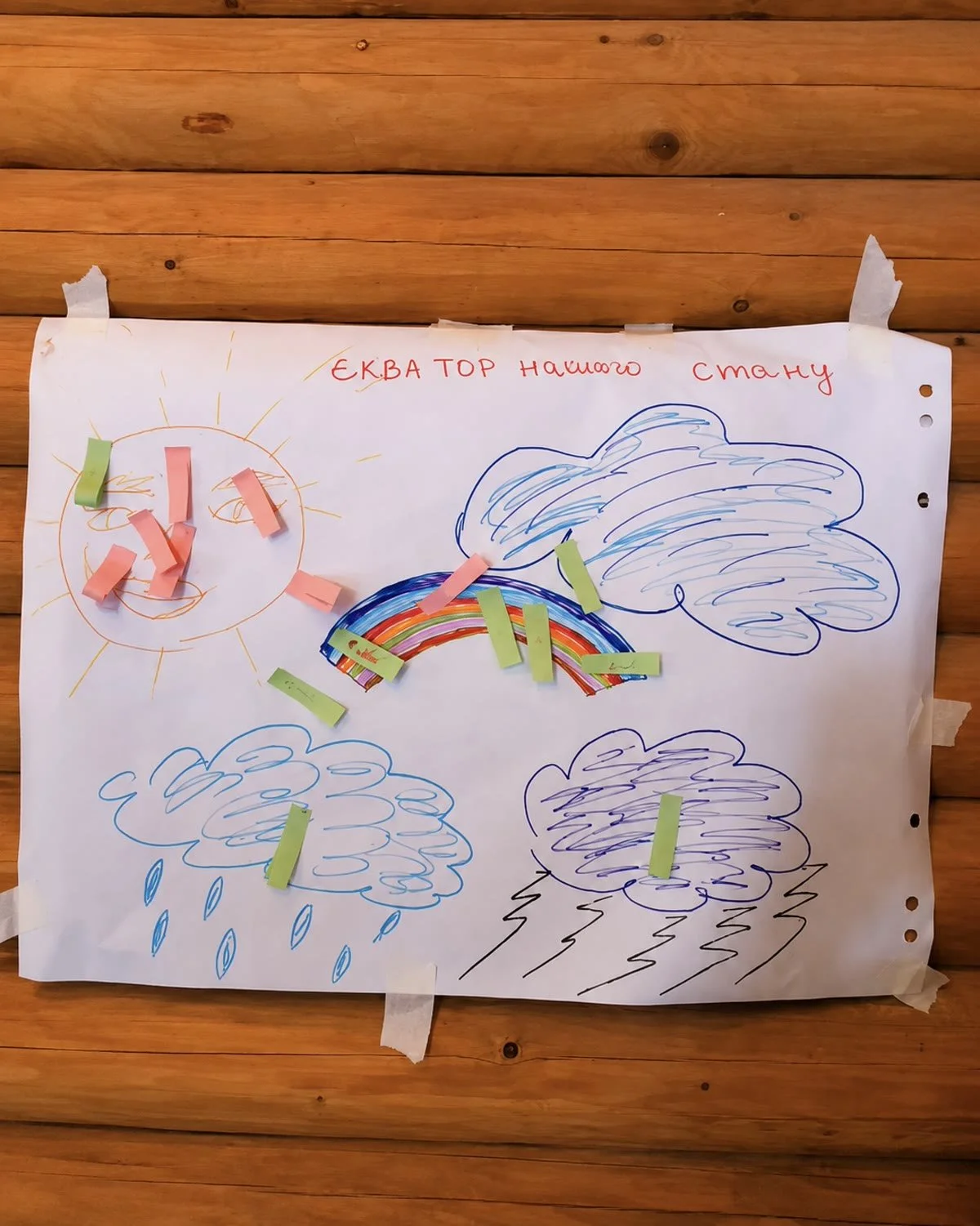
"The equator of how we feel"
At the halfway point, the children stuck a note on the weather that matched how they felt that day. Most chose the sun or the rainbow. A few chose a cloud, the rain or the storm. Not every day was sunny, and the poster does not pretend otherwise.
Loud, friendly and harder to say goodbye to
By the last day there were talent shows, a disco, a hike up the mountain, and sheets of compliments taped to the children's backs. Eleonora wrote that she had found "people you can open up to, people who truly listen and understand."
"I remember how friendly, loud, less bashful, and more open they became over the course of the camp. I consider that one of our greatest achievements."
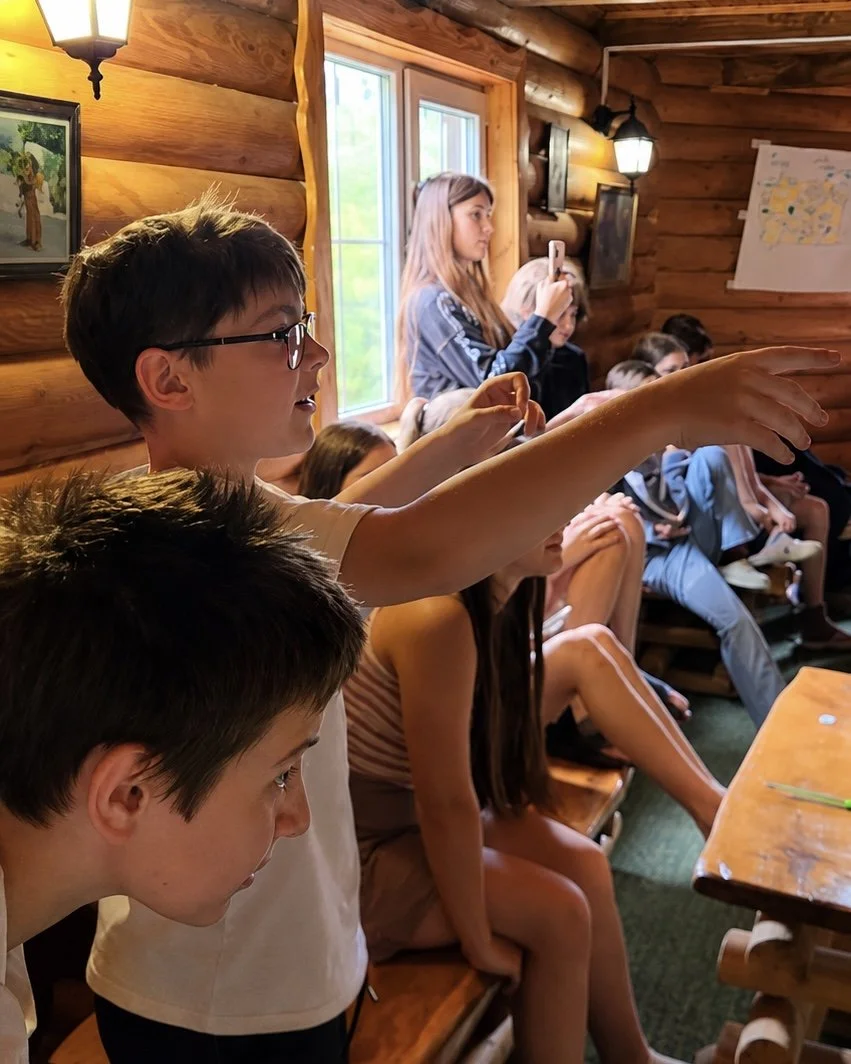
A place like this matters so much right now, because these days there is so little that feels joyful or calm — everything is loud, and there is so much fear and danger around us.
Sofia, camp participant, Level Up 2026
Then they went home
On 26 July the children went back to frontline towns, to parents who are away serving, and to nights that are not quiet.
Two weeks can start recovery. They cannot finish it. That is why we measured what camp changed — and what it didn't.
We asked every child, before and after camp
32 of 46 children felt better when camp ended.
These are the children's own answers on two standard questionnaires, not our impressions. 46 children completed both the first-day and last-day surveys. The assessments were carried out with our clinical partner, the War Survivors Institute.
- Felt better (32)
- No change (2)
- Felt worse (12)
What changed most
Average improvement on each question of the wellbeing survey, largest first
higher overall wellbeing score across the group, from the first day of camp to the last.
lower depression symptoms on a validated youth scale (DASS-Y).
What two weeks could not fix
Anxiety and stress stayed about the same. That is not surprising: these children were going back to the same danger they came from.
At the end of camp, 8 children were still in the severe range on a clinical screening. They, and others, need care that continues after the bus leaves.
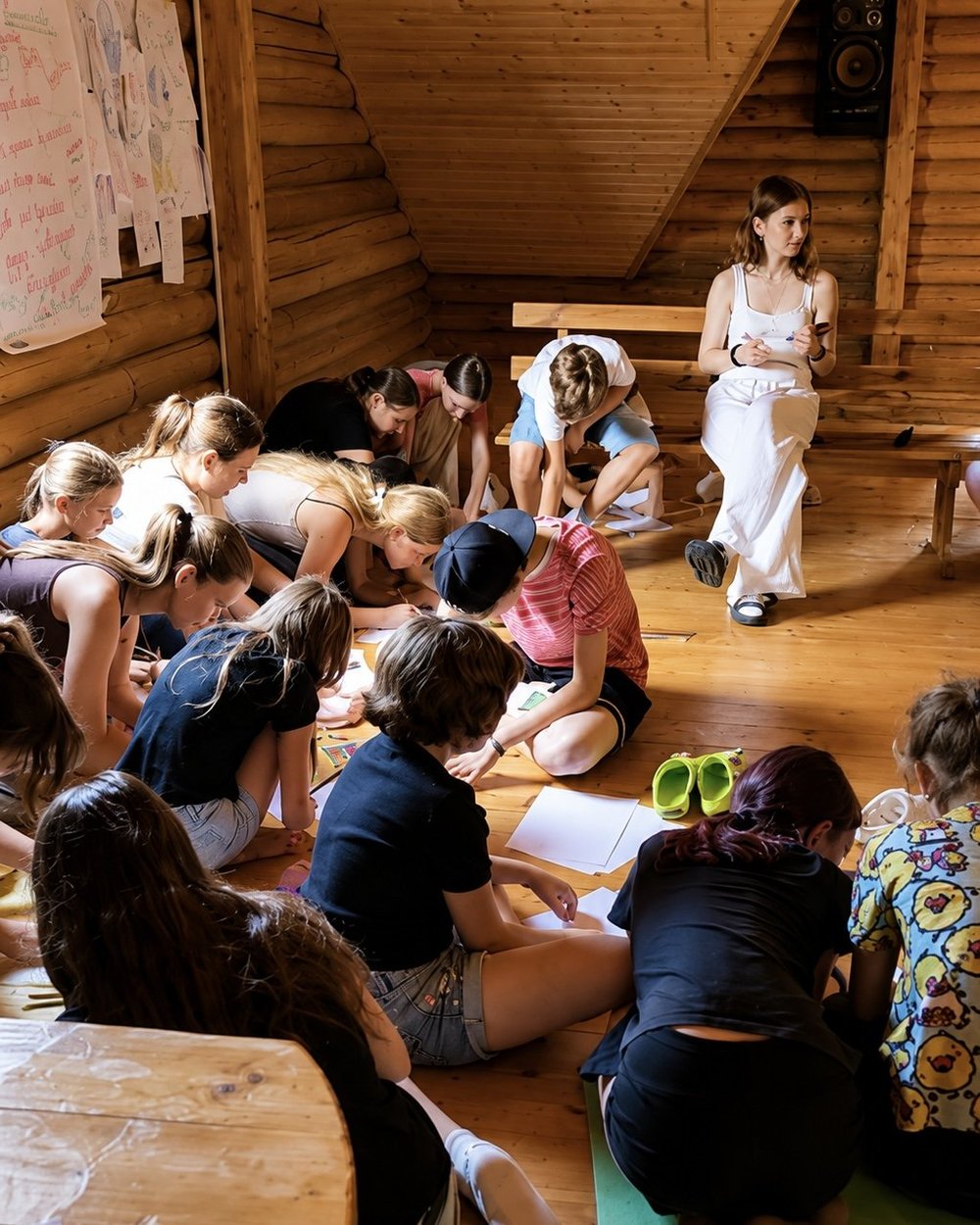
A year of someone to talk to
We have designed a 12-month program of online psychological care for children from camp, led by Ukrainian psychologists. It is ready to begin as soon as it is funded.
Individual therapy
Weekly one-to-one sessions with a psychologist for the 8 children who need it most.
Small groups
Three groups of five children meet online twice a month, so the friendships and skills from camp keep going.
Families included
Regular contact with parents and caregivers, who carry the same war at home.
Our Thanksgiving goal
$34,000The first stage: a full year of care for 15 children from camp. It covers weekly therapy for 8 children, group sessions for all 15, a part-time coordinator, the online platform, evaluation of results, and 10% for administration.
The full program
$74,118A year of care for up to 50 children, as set out in our program budget. We have applied to foundations for the rest of the funding.
Give a year of care this Thanksgiving
Gifts to this appeal fund psychological care for children from our 2026 camp. Gifts are tax-deductible to the extent allowed by law.
- Ukraine Volya Foundation is a US 501(c)(3) public charity, EIN 88-2847896.
- Our Child Safeguarding Policy was approved by our board in March 2026. Children's first names, words and photos appear here with their parents' written consent.
- Read our annual impact reports.
How often would you like to give?
Choose what your gift pays for
- $27One therapy session with a psychologistGive $27
- $108A month of weekly therapy for one childGive $108
- $480A year of group sessions for five childrenGive $480
- $1,404A year of weekly therapy for one child, under $4 a dayGive $1,404
- $27 a monthOne therapy session with a psychologist, every monthGive $27 a month
- $40 a monthKeeps a group of five children meeting twice a monthGive $40 a month
- $108 a monthWeekly therapy for one child, all year longGive $108 a month
You'll complete your gift on our secure Givebutter page.
Prefer to give another way? Mail a check, give through a donor-advised fund such as Fidelity Charitable, or use PayPal. See all ways to give.
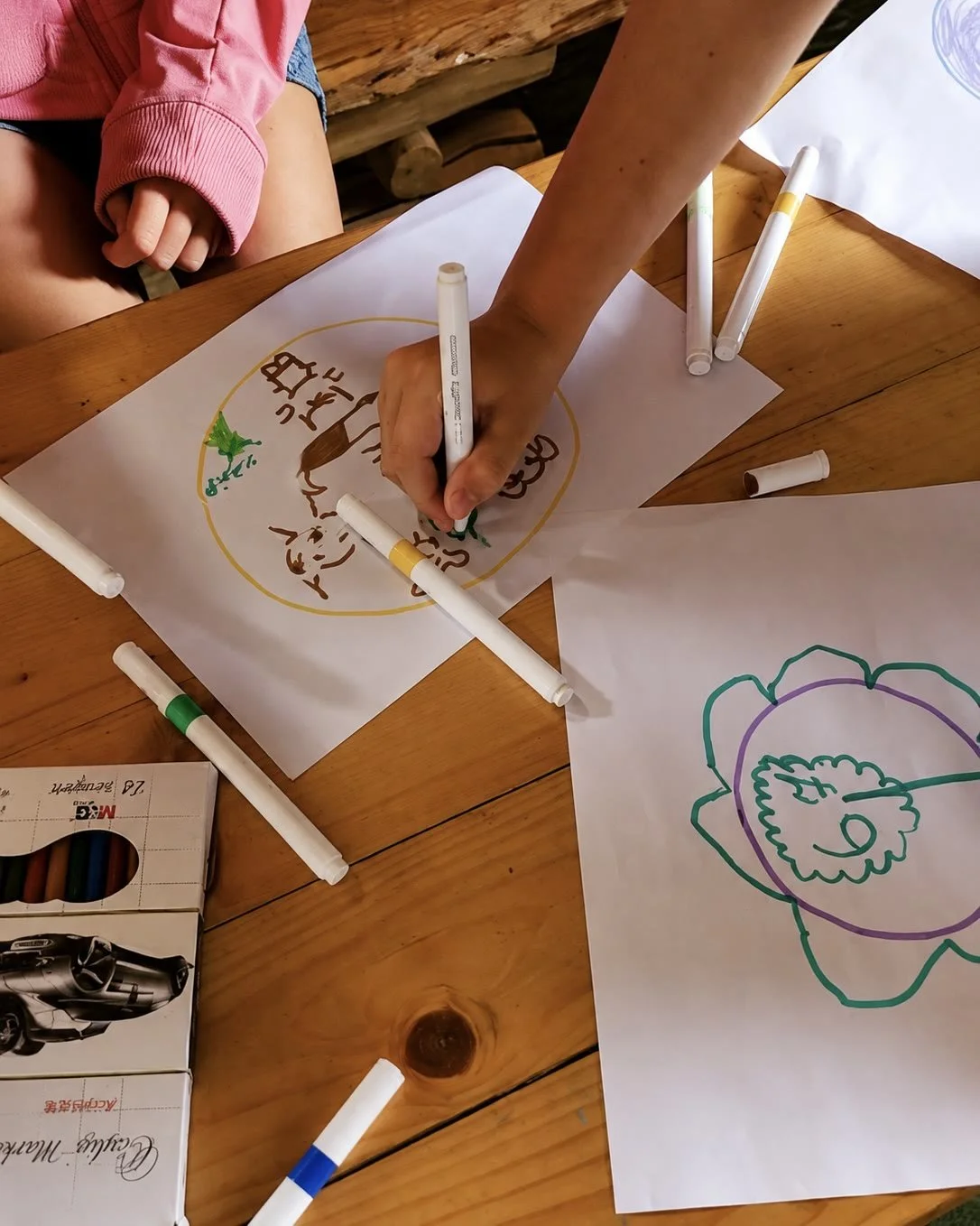
Two weeks gave them a quiet sky. A year gives them someone to talk to.
Your gift this Thanksgiving lets the first group sessions begin.
Give a year of careResults are from the 2026 Level Up camp (Vyshkiv, 12–26 July 2026): 48 children attended, ages 9–16; 46 completed the wellbeing survey and the DASS-Y screening on the first and last days. "Felt better" means a higher wellbeing score on the last day than on the first.